
Not happy with your NDIS plan manager? Learn when it's time to switch, and how to find a provider who truly has your back.

NDIS Funding: Types of Mobility Supports
August 29, 2022
For a huge majority of people with disability, most of them tend to also experience mobility restriction and impairment.
Mobility impairment can be caused by a variation of reasons. Some conditions might be congenital, while some are caused by aging, physical injury or illness. This can also appear in differents forms such as limitations in small movements to paralysis.
Whether the mobility impairment is temporary or permanent, these individuals oftentimes need assistive technology supports to help them in achieving their personal goals such as increasing independence and for social and economic participation.
What is Mobility Aids
Mobility aids are generally funded by the NDIS under assistive technology (AT) supports. AT are described as equipment, technology and devices that help a person to do things more safely and more easily. It is important to check if you have AT supports included in your NDIS plan before requesting for mobility aid supports.
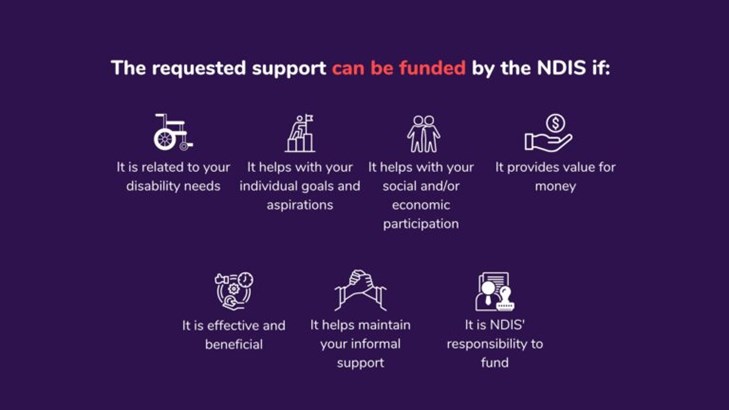
As a general rule, here’s a guideline to understand if a requested support can be funded by the NDIS:
Types of mobility aids:
From canes to scooters, here are some examples of mobility aids that can be funded by the NDIS together with their key product features. Products below are displayed on novitatech.com.au.
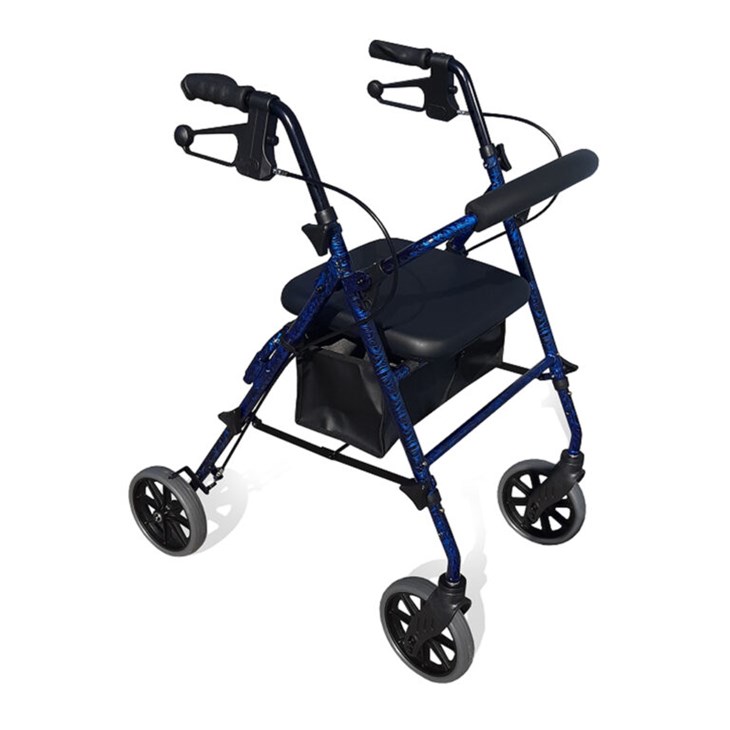
Walkers – These can feature adjustable seats and handles, ergonomic handgrips and padded seats.
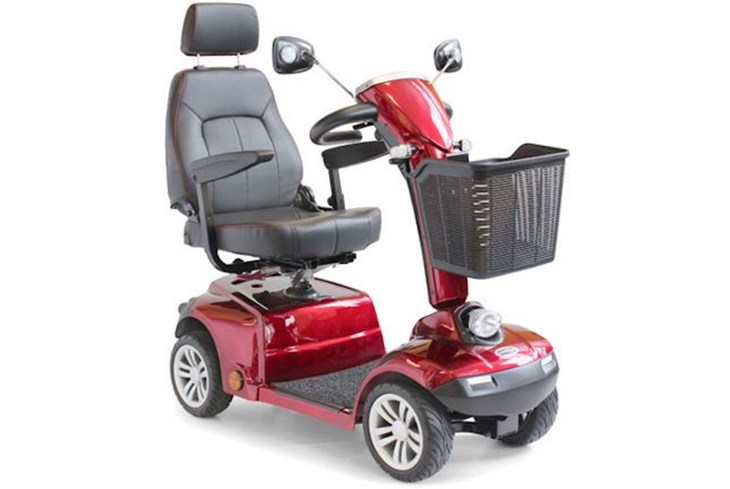
Scooters – These dependable scooters have the ability to traverse wide footpaths. They can also feature gas adjustable steering tillers, easy-to-use dash panels, LED lighting, variable seat height, among others.
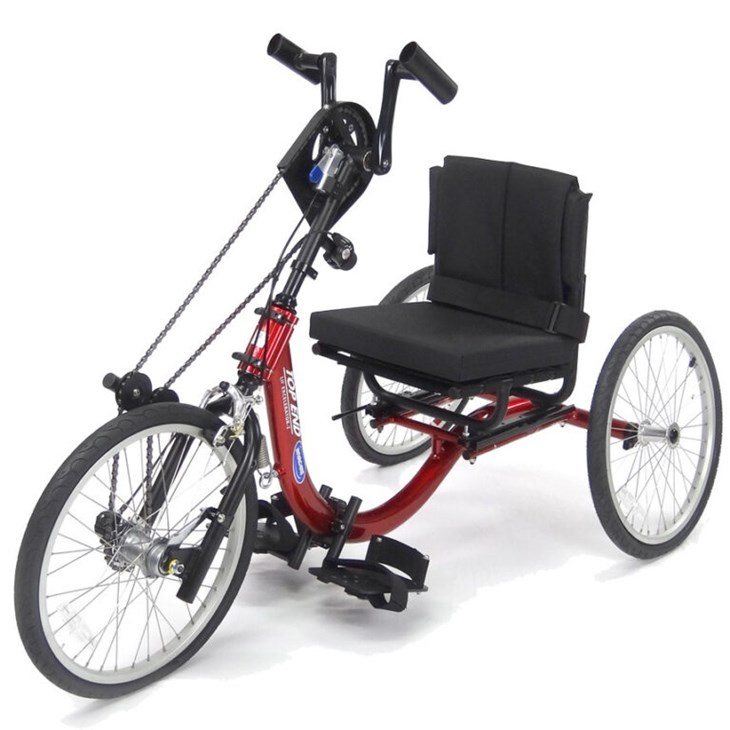
Handcycles – These easy-to-manouvre three-wheel handcycles feature sliding and adjustable seats.
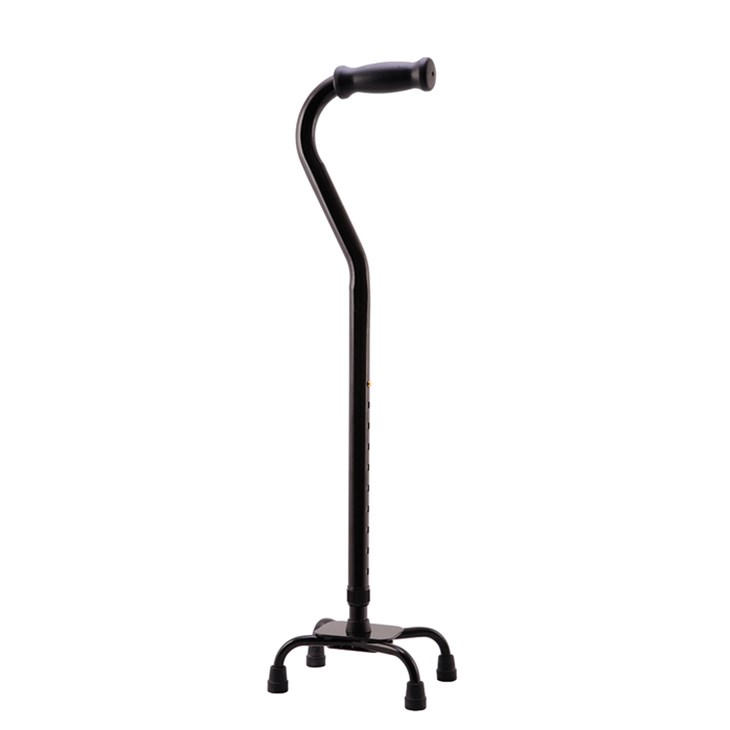
Canes – The height of these lightweight canes can easily be adjusted. They can also appear with soft foam hand grips to provide balance and a more comfortable walking support.
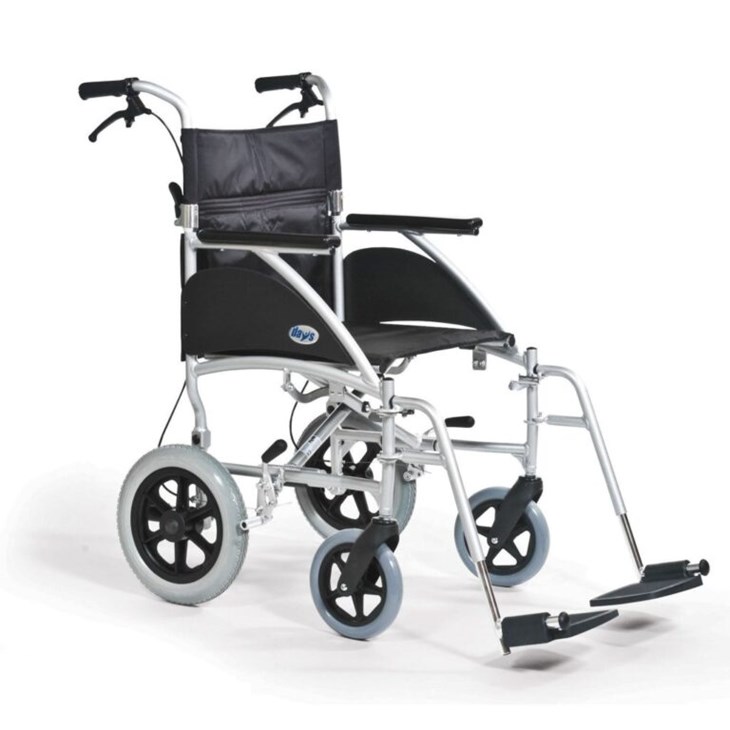
Wheelchairs – They come with slim designs and durable frames. They can also be easily folded to a compact size.
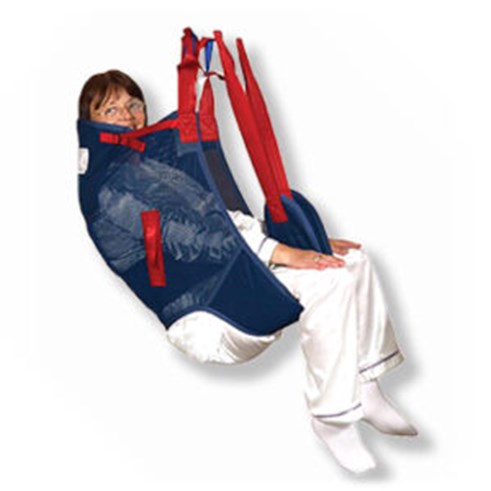
Slings – These are mostly used to aid with toilet transfers and bathing. They can feature buckle waist straps and padding around the patient’s midsection and under arms for easier usage.
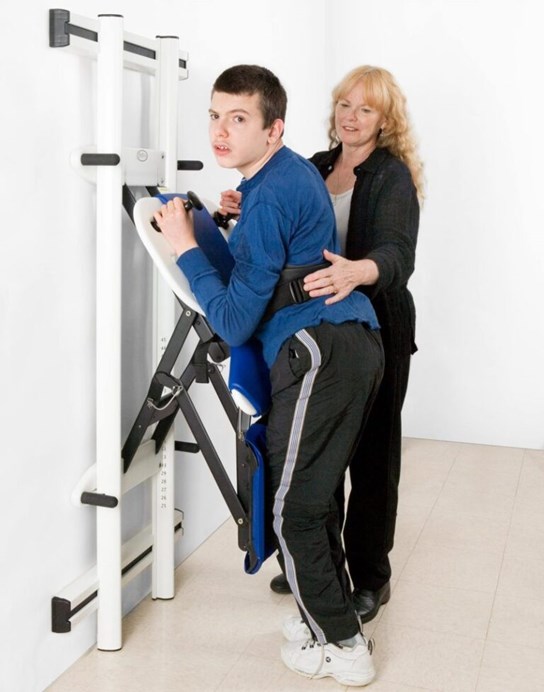
Vertical Changing Stations – These can help enable more independence among participants for sit-to-stand actions and to aid with their toilet needs.
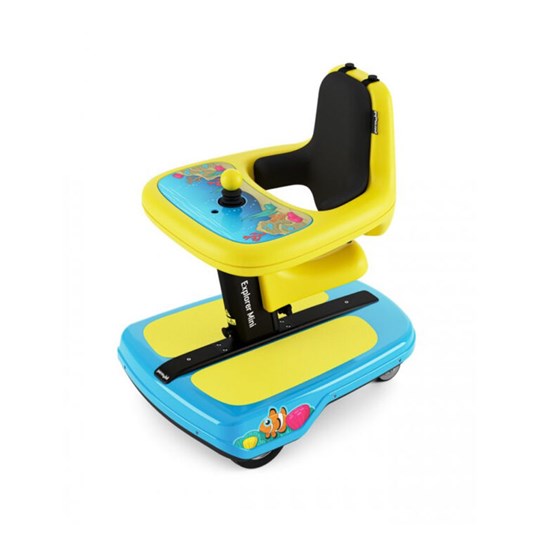
Mobility device for young children – Designed for children aged 12-36 months, these mini mobility devices can help with self-initiated movement to support children with their age-appropriate developmental milestones.
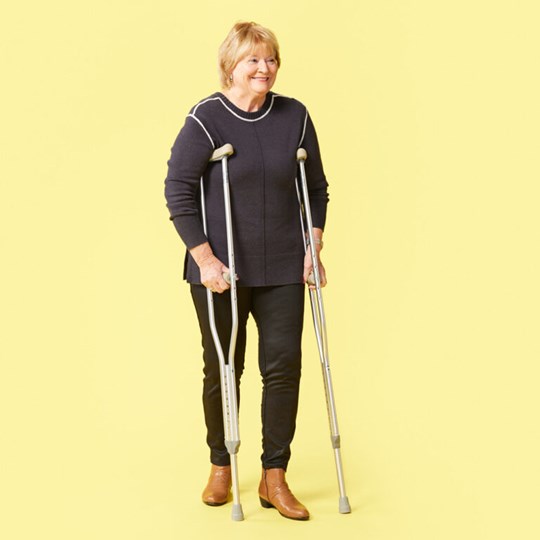
Crutches – These lightweight and durable crutches can aid anyone to move around with support and ease.
For AT items under $15,000:
Quotes are no longer needed by the NDIA for AT items that cost below $15,000. This can help participants to access AT supports quicker and easier. However, written evidences as advised by an AT advisor are still necessary for mid cost items (between $1,500 to $15,000). Watch the video below for an explanation:
If you have questions about mobility aid and how these can be managed in your NDIS plan, contact NDSP Plan Managers via email at info@ndsp.com.au or call us at 1800 63 63 77.
Related Posts
More news

Recent posts
NDIS Pricing Schedule 2026-27: Key Changes Explained
August 25, 2026
Is Plan Management Free Under The NDIS?
July 27, 2026
About us
NDSP is a NDIS registered provider, specialising in Plan Management. We are here to manage your NDIS funds on your behalf. Our experienced staff are highly skilled and ready to help you!