
IFly looks like it recreates the feeling of skydiving but only indoors, but did you know IFly is accessible to many people with disabilities?
Building your connections through sport
July 9, 2026
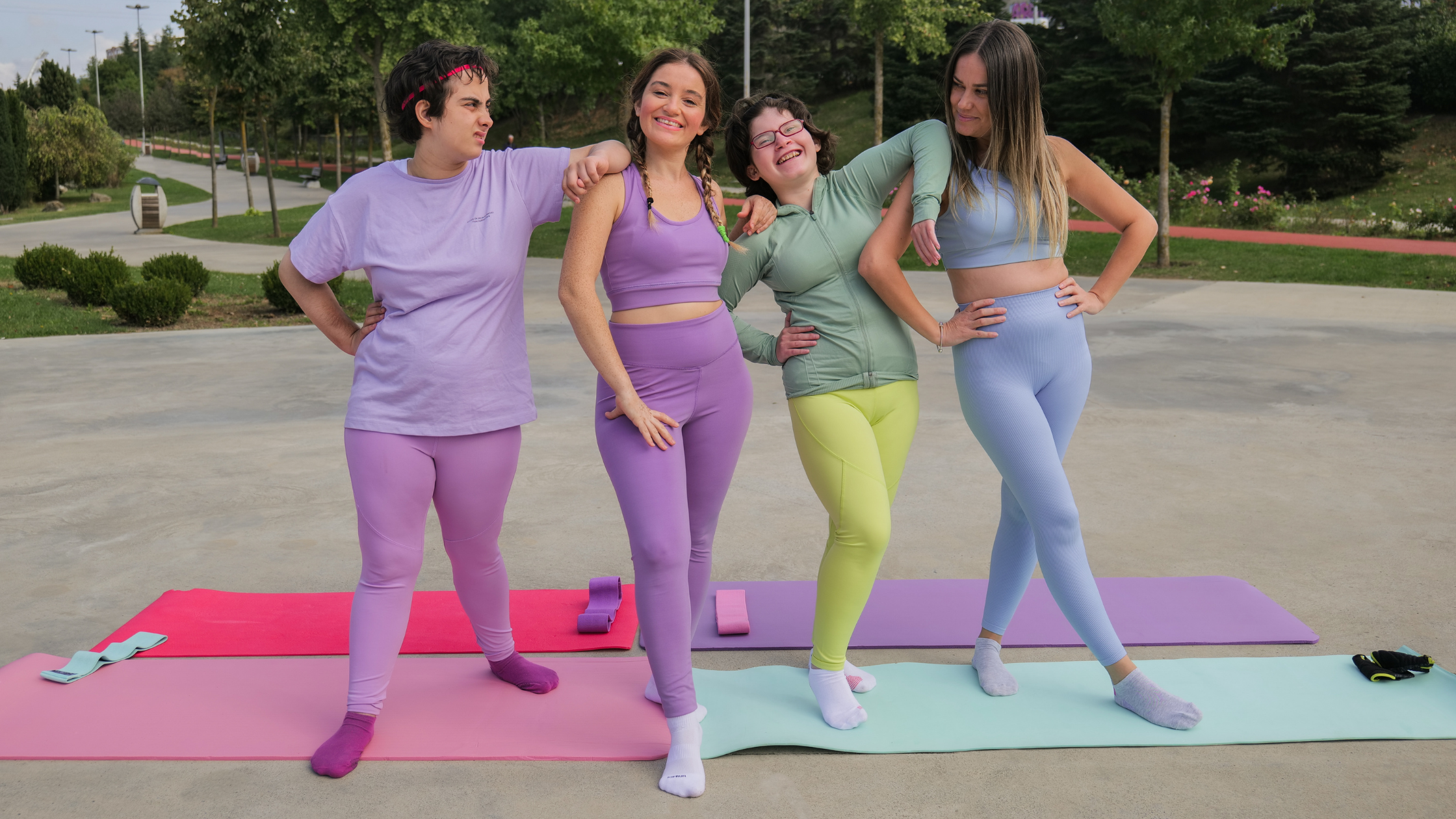
Sport might look like an individual activity at times, but very few people succeed entirely on their own.
Behind every athlete or participant is a network of people providing encouragement, advice, practical support and opportunities to grow. Whether it's family, friends, teammates, coaches, support workers or mentors, these relationships can play an important role in helping us build confidence, stay connected and achieve our goals.
Just as sport can strengthen our support networks, strong support networks can also make it easier to participate in sport and community life.
Our support networks play various roles in our lives, so it's only natural that we would rely on different people for different needs. In this article, we'll look at who might be part of your network, how these relationships can support you, and ways to build meaningful connections through sport and community participation.
Expanding your network
Sport is a powerful way to meet new people and build confidence, and it can introduce you to people you may never otherwise meet - from teammates and coaches to volunteers, officials and fellow participants. Along the way, these connections can become an important part of your broader support network.
Sport helps expand your network, find like-minded people, and connect with your community. This includes:
-
People in your existing network who support you to participate more in sport.
-
People you meet through sport, who can help you develop new skills and build your confidence.
One of the unique things about sport is the opportunity to connect with people who understand your experiences and share your interests. These shared experiences can create meaningful friendships and a strong sense of belonging.
Learning from others
Working with a coach
Whether you play on a social, competitive or professional level, everyone can benefit from the support and experience of a good coach. Most come from athletic backgrounds themselves and have a wealth of knowledge.
More than training your body to take on physical challenges or gain new skills, coaches can also train you to develop a healthy mindset. This helps you stay focused on what is important: Achieving your goals, having fun and doing your best.
Finding mentors
Often, we need help to continue and improve on our sports journey. There is only so much we can learn on our own, so adding mentors to our support network is a great way to fill knowledge or skill gaps.
Finding role models
While often not directly part of your network, having a sports role model (or several) is a great way to stay motivated on your journey.
Examples of this:
-
A Paralympian
-
A professional athlete
-
Someone on a community sport level who you admire (and could potentially approach for tips or advice…)
Seeing someone with your disability or classification succeeding in their sporting journey can be hugely empowering – even more so if you are trying to motivate kids, as it shows them how many wonderful possibilities can result from giving things a go.
Strengthening your support network
Family and friends
These people are already present in your life, but some might not be as close or involved as you would like. To strengthen these interpersonal relationships, think about:
-
Who else do you get along with in your family, and will they make themselves available for time and advice when you need it?
-
Are there friends you could reach out to for a deeper connection, who you might not have considered yourself ‘close’ to before?
Sometimes reaching out to people we already know for support or a deeper connection can feel more daunting than reaching out to new people. However, having open communication is essential for developing and maintaining relationships – and you might be surprised by how easy it is to do once you have taken the first step.
Online support networks
You can stay connected or find new communities online. If you don’t have much available in your local area, especially if you live rurally, forums or groups can be a great resource.
Your online support network might include:
-
Friends and family who live further away
-
Online support groups for people with a disability
-
Sport-focused groups to share your passion for a particular game or event.
Maintaining relationships
A good rule of thumb is to be the kind of friend you want to have. This might look like celebrating successes as they occur, being available for support, and respecting any boundaries.
For your less personal relationships, you can follow the same general trend of mutual respect and open communication. That way there is a clear idea across the board about needs and expectations.
Building community with your NDIS supports
A key part of goal setting in the NDIS typically revolves around social and community participation. This involves meeting people with similar interests, joining community or social activities, and choosing activities you enjoy.
These activities can develop your confidence, independence, and skills - which can improve other areas of your life as well. NDIS plans often include goals related to community participation, and the scheme provides funding for activities and supports that help you achieve these goals.
Depending on your circumstances and goals, this may include supports such as:
-
Support Coordination, which can help connect you with services, activities and opportunities in your community.
-
Community participation supports that help you engage in social, recreational and community activities where you otherwise wouldn't be able to.
-
Therapy services that can help build confidence, communication and social skills.
-
Peer support opportunities that connect you with people who have shared experiences.
-
Transport funding that helps you access activities, events and appointments.
-
Plan Management supports that help you navigate and make the most of your NDIS funding.
Sport is a very common and social way to get out into your community and make new connections, while also being great for your health by promoting movement and interaction.
If community participation is important to you, speaking with your support network who understands the NDIS can help you figure out what options may be available for your individual circumstances.
The value of connection
Sport is about more than physical activity. It can help us build friendships, find mentors, develop confidence and strengthen our connection to the wider community.
Support networks don't appear overnight. They grow through shared experiences, conversations and opportunities to connect with others. Whether you're trying a sport for the first time or pursuing a long-term goal, having the right people around you can make the journey more rewarding.
This article is just one chapter from NDSP's free ebook Get Active, Stay Involved, created in partnership with Paralympics Australia. Inside, you'll find athlete stories, practical information about getting involved in Para sport, and insights into the history, innovation and impact of the Paralympic movement.
Download the free ebook to explore more stories and discover what Para sport could look like for you.
Related Posts
Recent posts
Will My Child Stay on the NDIS Under Thriving Kids?
October 20, 2026
Will the NDIS fund my driving lessons?
October 20, 2026
How Do You Vet an NDIS Provider Before You Sign Up?
October 18, 2026
Is Your NDIS Funding Changing from October 2026?
September 24, 2026
Can Providers Charge You for Cancelled NDIS Appointments?
September 20, 2026
About us
NDSP is a NDIS registered provider, specialising in Plan Management. We are here to manage your NDIS funds on your behalf. Our experienced staff are highly skilled and ready to help you!