
NDIS plan management isn't quite "free," even though there's no cost to you. Here's how it's actually funded, and why the wording is worth getting right.
Assistive Technology (AT) Under $1500: Low-Risk Items That Can Transform Your Daily Life
May 12, 2026
Key information:
- Low-cost assistive technology items under $1500 are funded through your Core Supports budget. This doesn't typically require NDIS approval before each purchase.
- Low-risk AT is designed to be safe and simple to use without professional setup. Examples include non-slip bathmats, walking aids, adaptive kitchen tools, and certain smart home devices.
- The NDIS will only fund AT directly related to your disability needs, so general household items or injury-related equipment typically won't qualify.
NDIS Assistive Technology (AT) are tools, equipment or devices that can help you complete daily living tasks more safely, independently, or comfortably. There's a wide range of AT available on the market, from specialised wheelchairs and household furniture to smaller assistive products that help you in your everyday tasks.
Related: Capital Supports Budget: Assistive Technology, Maintenance, Repair and Rental

What are low risk items under the NDIS?
In the context of NDIS, low risk technology is AT that:
- Isn't likely to cause harm in your daily life.
- Is available in stores so you can see it or 'try before you buy'.
- Can be used safely without professional advice, setup or training.
For example: a non-slip bathmat would be low risk. You could choose, install and use it easily without professional assistance. It's also not likely to cause harm when used to help you shower safely.
What makes something a high risk item?
High risk items need oversight from an OT or a similar evidence-based professional to ensure they're implemented safely. This includes:
- Transfer equipment
- Pressure care items
- Complex mobility supports
- Seating or postural equipment
- Vehicle modifications
- Orthotics and prosthetics
The National Disability Insurance Agency (NDIA) will also look at 'value for money'. Is this the best technology, at the best price, when compared to similar items? This is why you may need to provide quotes and evidence for higher risk AT - and for high cost assistive technology. An AT claim is only escalated to the NDIA where it exceeds $1500. Many high risk items (e.g. orthotics) are able to be processed from your Core budget, if they have been recommended by an OT or similar and are under $1,500.
What is low cost Assistive Technology?
The NDIS looks at risk, and at cost. Items under $1500 each are categorised as 'low cost AT' under the Core Supports budget (Consumables), not under Capital Supports like other AT.
Most low cost AT is also considered low risk as it's mainly simple, user friendly products, but some higher risk AT can be low cost as well. For example, if something restricts movement (like bedrails or weighted blankets), it would be considered a higher risk.
What kind of low risk AT will the NDIS fund?
The NDIS will only fund reasonable and necessary supports that are directly related to your disability needs – when it comes to AT, that means equipment or technology that helps you to do familiar activities in familiar environments. Basic assistive technology is the stuff that makes everyday living easier, safer and more independent for you. Examples of helpful AT items include:
1. Personal mobility
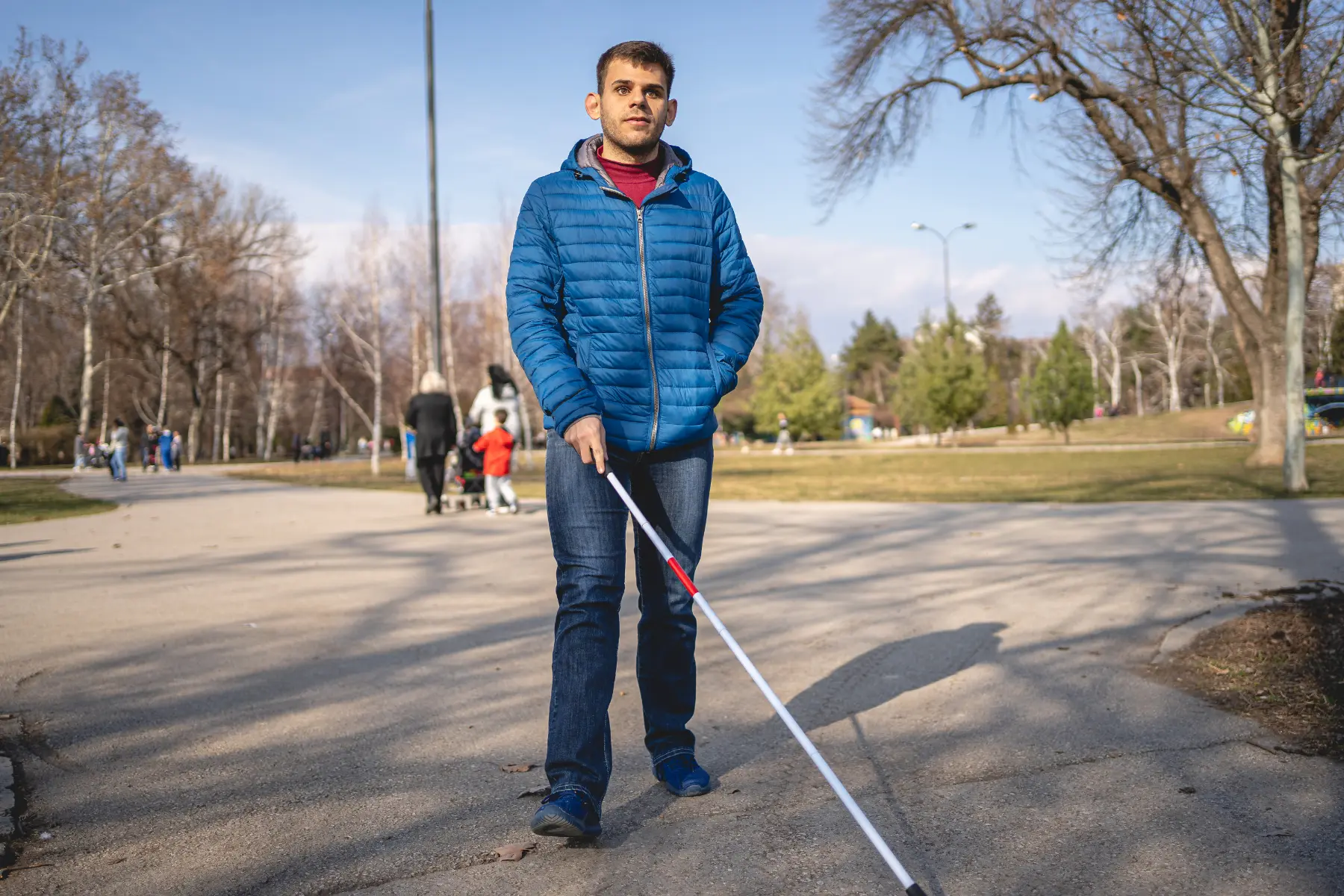
Some simple mobility aids like replacement mobility canes, folding walking sticks, tactile sticks, rollators or quad canes can be funded by your core supports budget, to help you stay active at home. You could also purchase items like threshold ramps for easier wheelchair or walker access between rooms, or reacher-grabbers to help you pick up items without bending.
2. Personal care and safety
Non-slip bathroom mats and aids, portable shower chairs, toilet seat raisers; many non-structural bathroom safety aids can be NDIS funded. You can also buy tools like long-handled sponges that make bathing easier.
3. Eating, drinking, food preparation
Weighted cutlery and other adaptive kitchen utensils can make independence easier when it comes to cooking and eating. This can include one-handed jar openers, modified cups, and easy-grip kitchen tools that would improve your fine motor skills and safety.
4. Vision and communication support
The NDIS may fund everyday use products that can help with communication limitations due to disability, such as handheld magnifiers, picture boards, large print labels or calendars. Some items, like replacement talking brix, may need a clinical assessment and justification before the first request. Be sure to double-check the requirements beforehand.
5. Continence products
You can use this funding for everyday use products such as a one-off or short term supply of washable underwear, pads, or bedding protectors – or, washable incontinence products are funded for children over 5 years (who are active NDIS participants).
What won't the NDIS fund?
The NDIS won't fund services, items or disability supports that:
- Could be dangerous for you or others.
- Aren't connected to your disability needs.
- Give you the same help as another support in your NDIS plan.
- Are everyday living costs like rent, food, or utility bills.
That means a line gets drawn between general household tools and assistive technology. Items like extra-long oven mitts, measuring cups, or chopping boards generally won't meet the criteria for being NDIS supports.
The NDIS also won't fund assistive technology items that are prescribed or issued for reasons not related to disability. If you tripped and hurt your knee and require a knee brace while you recover, you wouldn't be able to purchase it with your AT budget as it's related to injury, not your existing disability support needs.
Still not sure if you can spend your NDIS funding on a product? Check out our easy online checklist for reasonable and necessary supports, which helps you figure out whether something meets all the criteria defined by the NDIS.
Do you need to tell the NDIS what you're purchasing?
As long as you're purchasing eligible consumables, you don't have to ask the NDIS for permission each time you need low risk AT. However, you should keep records of assistive technology products you've purchased: receipts or invoices, even for small items, just in case you need them later.
Note: The print on store receipts can fade over time. If you're purchasing low risk AT in person, it's good practice to take a photo of the GST receipt and save it to a safe folder on your phone or computer. That way you still have all the details if you need them!
NDSP makes managing your NDIS plan funding easier
NDSP empowers NDIS participants across Australia by making plan management one less thing to worry about. With consumables funding, it can be easy for small amounts to add up without realising. Our live budget tracking allows you to see exactly what is left in your current funding period – anytime, on any device.
We're here to support you on your NDIS journey with comprehensive plan management services, delivered by our friendly team of experts. You control how your funds are spent – we'll handle the admin side of things like budget tracking, invoice management and record-keeping.
Our team are well-versed on all things NDIS, including questions about how your funding can be used (and whether items are compliant with NDIS rules). Check out our free online participant toolbox for helpful resources, or contact our team today to find out how plan management with NDSP can work for you.
Related Posts



Recent posts
Will My Child Stay on the NDIS Under Thriving Kids?
October 20, 2026
Will the NDIS fund my driving lessons?
October 20, 2026
How Do You Vet an NDIS Provider Before You Sign Up?
October 18, 2026
Is Your NDIS Funding Changing from October 2026?
September 24, 2026
Can Providers Charge You for Cancelled NDIS Appointments?
September 20, 2026
About us
NDSP is a NDIS registered provider, specialising in Plan Management. We are here to manage your NDIS funds on your behalf. Our experienced staff are highly skilled and ready to help you!