
Curious what the Securing the NDIS Bill means for your plan? We've mapped out the key changes timeline, so you know what's coming and when it applies to you.
What is Specialist Disability Accommodation (SDA)?
July 1, 2025
The National Disability Insurance Scheme (NDIS) funds a range of supports to help you live your best, most independent life, and work towards your goals.
For participants who have extreme functional impairment or very high support needs, living at home may not be the safest or most suitable long-term option. This is where specialist disability accommodation can help.
Specialist Disability Accommodation (SDA) Explained
SDA sits under the Capital Supports Budget. This is the least flexible of your NDIS budgets (the others being Core Supports and Capacity Building Supports).
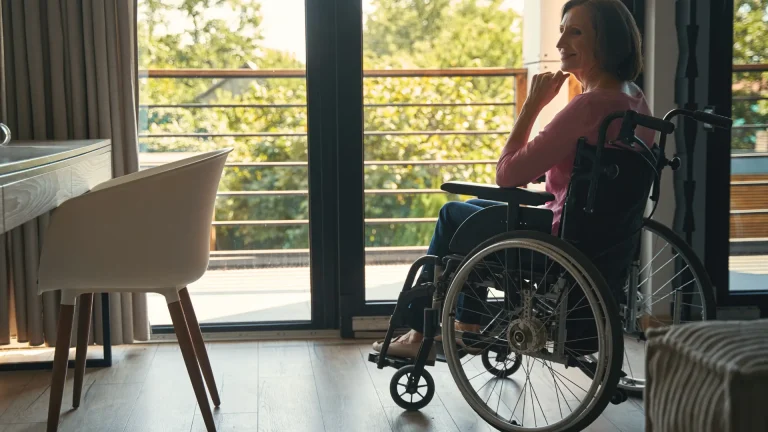
SDA refers to accommodation designed for people living with significant disabilities. It includes homes with accessible features that allow residents to live more independently while receiving the support services they need.
Key features of SDA housing can include:
- Wider doorways and hallways
- Assistive technology (e.g. automated doors)
- Structural reinforcement for safety
- Ceiling hoists and accessible bathrooms
The modifications in SDA housing empower eligible NDIS participants to lead a safer, more comfortable life – and can help reduce dependency on other supports that may have been required in less accessible set ups.
What does SDA funding cover?
SDA funding covers the cost of the housing itself. It doesn’t cover rent, food, or other day-to-day living expenses that are accommodation or household related.
SDA is also different from making your existing home more accessible and safe (which is funded separately under Home Modifications). Apart from Specialist Disability Accommodation and home modifications, the National Disability Insurance Agency (NDIA) generally doesn’t fund other housing options – like buying or renting a home.
Eligibility for Specialist Disability Accommodation funding
The eligibility criteria for SDA funding from the NDIS is narrow – it’s only available as a funded support for participants who:
- Have extreme functional impairment or very high support needs
- Demonstrate that SDA is a reasonable and necessary support
- Undergo an assessment to outline why standard housing or other alternatives like home modification won’t provide sufficient support
As with any NDIS funding, you’ll need to provide evidence to the NDIS at your planning meeting or reassessment to show why you need SDA, and what property type and design would be best for you.
Related: NDIS Eligibility: A Complete Guide on How to Apply for Funding
Adding Specialist Disability Accommodation to your NDIS Plan
Firstly, you’ll need to have a housing goal in your NDIS plan to request funding. This shows that you want to change your current housing arrangements, why, and how – your goals can be adapted at any stage by contacting your Local Area Coordinator (LAC) or NDIS Planner. Then you can move on to gathering the evidence you need.
Once you have approval for SDA funding, you can start searching for housing on platforms like the NDIS SDA finder, or by working with an NDIS-registered SDA provider of your choice.
This whole process (from gathering evidence, to approval, to finding your ideal home) can take some time. It’s best to get started as soon as possible!
What evidence will you need?
If you’re looking to get into SDA housing, it can be a little tricky to work out what evidence you need as the NDIS doesn’t really specify an exact list. However, it usually involves:
- A participant housing statement, telling the NDIS what your housing preference is – what kind of place you want to live in, who you want to live with (or if you want to live alone), and what location would be best. This is your chance to tell the NDIS what you want for SDA, so they can take that into consideration.
- A functional capacity assessment: This means working with an OT to get an official assessment of your functional and support needs in the context of the SDA rules and criteria.
- Other relevant assessments or reports, like allied health assessments, carer statements, or a Positive Behaviour Support Plan.
- A Home and Living Supporting Evidence Form, typically completed by your support coordinator after all the other assessments and reports have been compiled. This helps summarise everything to make clear your daily support needs, current circumstances, housing history, and any barriers.
Different types of SDA housing explained
The evidence you supply will show the NDIS that you’re not only eligible for this funding, but also what type of SDA you need – what kind of house and design type will benefit you the most. There are four building types that can be specialist disability accommodation properties:
- Apartments
- Villas, duplexes or townhouses
- Houses
- Group homes
These different options give flexibility for people living alone, with family or a partner, or who would benefit best from a private room in a group home. You can live alone in SDA if your support needs and funding justify single-occupancy housing. However, this is not always the best solution for everyone.
Living with others in SDA can be a good way to save money on support services. For example, if a provider is delivering services to multiple people in the same house, you can negotiate on provider travel fees by splitting them with the other participants. This leaves more funds in your budget for the services themselves.
What does ‘SDA design standard’ mean?
Beyond the building type, there’s also four specialist disability accommodation design categories the NDIS may fund depending on your specific disability needs. These are:
- Improved Liveability: Housing with better physical access. This has more features for people with sensory, intellectual or cognitive impairments; for example, having very few stairs or walls and floors that are easier to see.
- Fully Accessible Housing: This category has a high level of physical access features, suitable for people with lots of physical challenges (such as if you need to use a wheelchair at home).
- Robust: Very strong and durable housing, reducing the need for repairs and maintenance. This is suited for those managing complex and challenging behaviours, because the way the housing is built helps make it safer for you and others.
- High Physical Support: These homes have a high level of physical access, for people who need very high levels of support. This can include things like a backup power supply, home automation, and communication technology.
How the NDIS works out the right SDA option for you
The NDIS will consider what other home and living supports you need, how many people you’d like to live with, the type of building you’d like to live in – and of course, whether your request for SDA meets NDIS ‘reasonable and necessary’ funding criteria.
If your functional capacity changes, or you’re planning to relocate, remember to contact the NDIS for a plan reassessment as soon as you can.
For SDA in particular, the NDIS will assess how the building type would:
- Help you get your other NDIS supports
- Suit the type of home you want to live in (and if this aligns with your goals)
- Help you maintain or create relationships
- Help you participate more in your community
- Reduce risks to yourself and to others
- Help you stay connected to your informal supports network
- Be more likely than any other type to improve outcomes for you
Related: Reasonable and Necessary Supports Under the NDIS
You can choose what SDA housing you want to live in and what provider you work with, as long as it aligns with your plan and remains within your budget – the design category, type of housing and location the NDIS has approved will be specified in your plan.
If you need support services to find and keep accommodation (like SDA), you might also ask your NDIS planner about Improved Living Arrangements – this funding helps with things like exploring SDA housing options and housing applications or paperwork.
NDSP helps you make the most of your plan
Spend your time on what matters – like finding the perfect SDA housing and enjoying a more independent lifestyle – not on tracking your budgets and submitting invoices.
We empower participants across Australia with our national network. NDSP’s user-friendly Nappa portalfeatures real-time budget tracking so you can see exactly what’s in your plan budget, 24/7, on any device. We also offer informative and free resources from our participant toolboxto help you understand all things NDIS.
If you have questions, we have answers! Our friendly plan management experts help you make the most out of your NDIS funding, so you can spend your time and energy on better things. Why not contact NDSP today to find out more about how we help your NDIS journey run smoothly – we would love to hear from you!
Related Posts
More news


Recent posts
Will My Child Stay on the NDIS Under Thriving Kids?
October 20, 2026
Will the NDIS fund my driving lessons?
October 20, 2026
How Do You Vet an NDIS Provider Before You Sign Up?
October 18, 2026
Is Your NDIS Funding Changing from October 2026?
September 24, 2026
Can Providers Charge You for Cancelled NDIS Appointments?
September 20, 2026
About us
NDSP is a NDIS registered provider, specialising in Plan Management. We are here to manage your NDIS funds on your behalf. Our experienced staff are highly skilled and ready to help you!