
Discover 14 accessible destinations and venues across Australia, making travel more inclusive, enjoyable, and stress-free for people with disability.
How technology is changing what's possible in sport
July 9, 2026
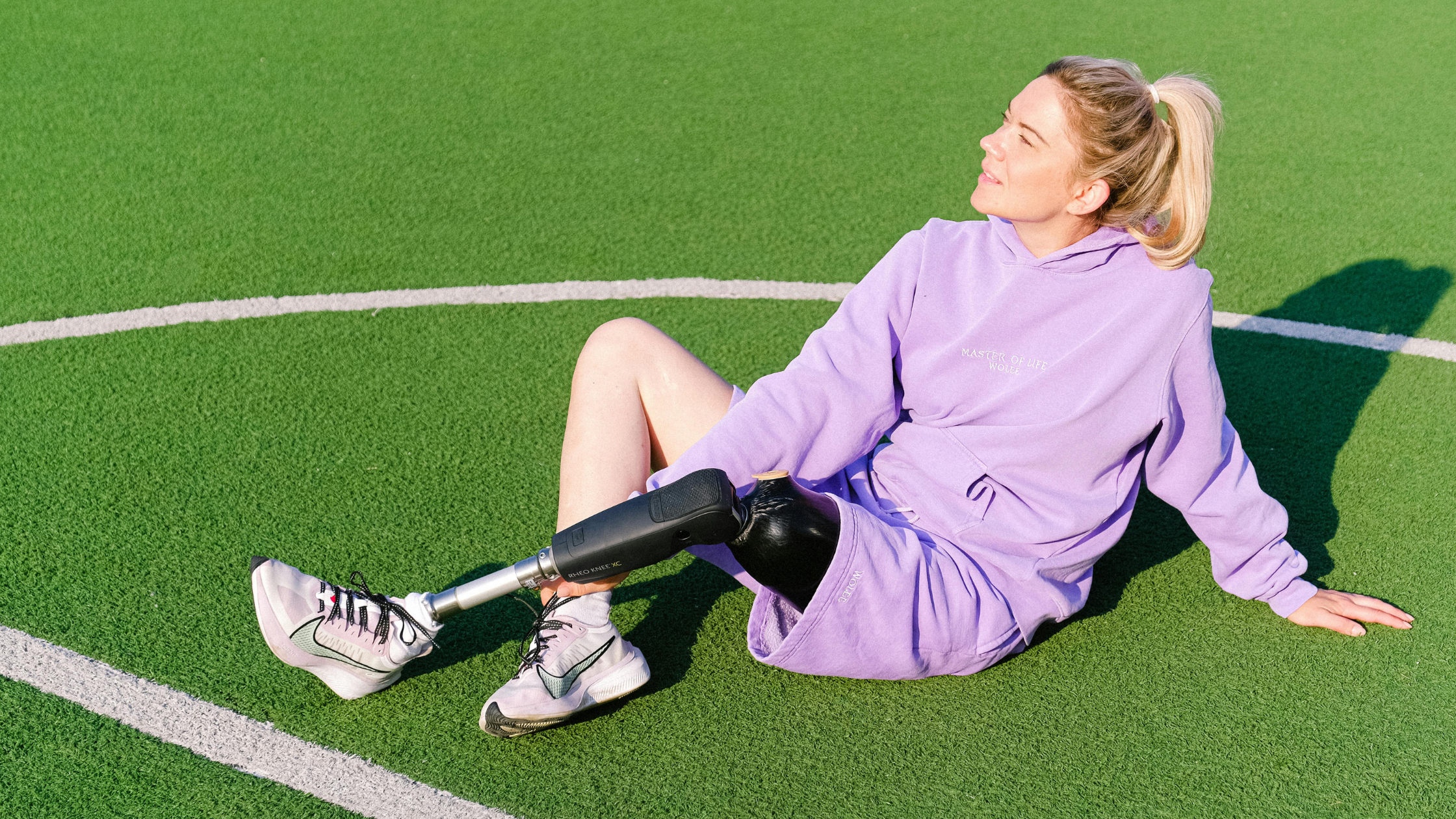
Technology has transformed the way people experience sport, and sometimes, it can be the difference between sitting on the sidelines and getting involved.
From specialised assistive technology to everyday fitness devices, innovation is helping more people access sport, build skills and pursue their goals. In Para sport, its impact can be seen everywhere, from community participation right through to the Paralympic Games.
Beyond the assistive devices that may be required for participation – like wheelchairs, prosthetics and orthotics – technology can assist with motivation, tracking, training and keeping sports fair.
Increasing Participation, Safely
In any sporting arena, the safety of participants must be paramount. Through advancements in technology, the risk of injury can be greatly reduced. Much of this is down to having the right gear for your specific needs: Technology or devices that fit your body properly, and work how you need them to.
The adoption of assistive technology (prosthetics, orthotics, frames, release mechanisms) is all about both enabling participation and making sport safer. Many sport-specific prosthetics or adaptive tech will be different from their ‘everyday’ counterparts to account for the difference in performance.
Technology in Action
Technology shows up in sport in many different ways. Some innovations are highly specialised, while others are devices many of us use every day - technology doesn't always have to be complex or expensive to make a difference.
Wearable Technology
Small digital items like fitness watches make it super easy for anyone to monitor their heart rate, step count, distances, or other active habits. Many also have goal-setting capabilities (number of steps in a day, number of active sessions in a week), which can be a great motivational tool.
The collected data is then available if you would like to look back over time - it’s always nice to see how far you’ve come, or how much time you have committed to furthering your goals!
Wearable technology is extremely helpful in adaptive sports or training. ‘Tech’ doesn’t just refer to digital solutions either. Innovation comes in many forms, and a lot of assistive tech is wearable tech if the definition is simply ‘attached to one’s body’.
Smart Apps
Apps have made sports and fitness tracking accessible on the go. We can get into just about anything via our phones, from standard personal use ‘Health’ apps (compatible with those smart watches mentioned above) to Paralympics-specific apps providing live scores and information.
Cameras
Huge advancements in camera technology over the last few decades have really come in handy for sports-related activities; from referees making fairer calls based on playback, to being able to film sets or drills on your smartphone to review your performance.
Being able to capture or stream in HD has also been an incredible tool for removing stigma from events like the Paralympics. It allows more people to see just what our athletes are capable of – and cheer them on from wherever, on whatever device is handy.
Other innovations have been developed specifically to support participation and performance in Para sport:
Running Blades
Carbon-fibre running blades are light and flexible, helping athletes to achieve dynamic movement when they step forward. They are used in many different sports to provide good ‘push-off’ and agility.
By comparison, standard leg prosthetics are designed for stability first and are typically fixed into position. Some people can (and do) run in these prosthetics, but they are not built for that movement and usually have a different socket construction.
The inclusion of a ‘heel’ also makes a difference in how they perform and feel - regular prosthetics tend to have a full foot, whereas many sporting blades are ‘toes’ only.
Wheelchair Basketball Chairs
For Australia's wheelchair basketball teams, custom carbon-fibre seating technology has helped improve performance and agility – it's the same material used in international racing, sailing, and aerospace applications.
Perfectly moulded for each player’s body, these phenomenally strong and lighter chairs support better performance and more agility, and provide better comfort to the players using them.
The Blind Cap
Instead of the tapper poles used to let swimmers with vision impairment know they are approaching the wall, a small vibrating sensor inside the cap can be activated by the coach.
This hasn’t been adopted over tappers (which is the tried-and-true device) but it highlights that there is plenty of space for creative innovation in Para sport.
Assistive Technology & the NDIS
For some people, accessing the right equipment may be funded through their NDIS plan However, there are specific guidelines around what will be funded regarding sport-related activities.
NDIS funding is designed to help remove barriers to participation and support people to build skills, confidence and independence through community and social activities.
Assistive technology falls under two categories in the Capital Supports Budget:
1. Assistive Technology (AT)
This budget funds the specialised technology you may need to reach your goal, such as wheelchairs, prosthetics, and orthotics.
2. PACE Assistive Technology maintenance, repair and rental
This category addresses expanded and ongoing costs like renting equipment, flexible equipment packages for changing needs, repairs and maintenance.
However, items beyond what the NDIS considers reasonable and necessary for participation may not be funded. Things like gym memberships, team uniforms, and team fees are excluded under these guidelines.
Innovation & the Future
Where it was once mainly for rehabilitation purposes, assistive tech now helps push the boundaries of what is possible.
Sport and technology continue to evolve together. New innovations create more opportunities for participation, while growing participation drives demand for even better solutions.
When barriers to participation can be removed with the help of assistive technology, we have the chance to ask ourselves – what am I truly capable of?
This article is just one chapter from NDSP's free ebook Get Active, Stay Involved, created in partnership with Paralympics Australia. Inside, you'll find athlete stories, practical information about getting involved in Para sport, and insights into the history, innovation and impact of the Paralympic movement.
Download the free ebook to explore more stories and discover what Para sport could look like for you.
Related Posts
More news
Recent posts
Will My Child Stay on the NDIS Under Thriving Kids?
October 20, 2026
Will the NDIS fund my driving lessons?
October 20, 2026
How Do You Vet an NDIS Provider Before You Sign Up?
October 18, 2026
Is Your NDIS Funding Changing from October 2026?
September 24, 2026
Can Providers Charge You for Cancelled NDIS Appointments?
September 20, 2026
About us
NDSP is a NDIS registered provider, specialising in Plan Management. We are here to manage your NDIS funds on your behalf. Our experienced staff are highly skilled and ready to help you!